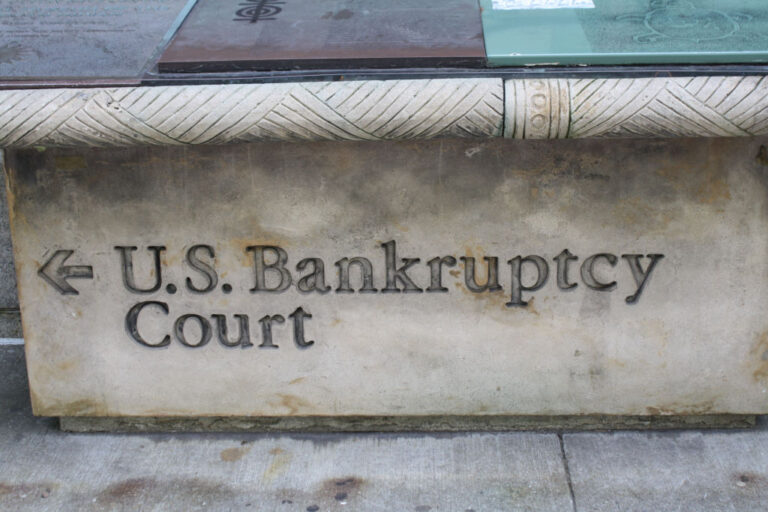

Federal law lets individuals represent themselves, and the U.S. Bankruptcy Court for the District of South Carolina provides the necessary forms, checklists, and an online filing tool for those who do.
However, the court is candid about how often self-filed or “pro se” cases go wrong. An experienced bankruptcy attorney can explain the process and help determine whether filing alone makes sense.
What the Court Says About Filing Alone
In its frequently asked questions, the court describes bankruptcy as a highly technical field and notes that historically, many cases filed without counsel fail. Many self-represented filers never get relief because they did not understand the law’s requirements.
The court adds two cautions:
- The clerk’s office staff cannot give legal advice,including which form to use or how to complete them.
- Some allowances are made for people without lawyers, but the court is required to hold them to the same standards as attorneys.
Deadlines and Paperwork That Can End a Case
The court highlights several procedural pitfalls:
- Credit counseling. You must finish a course with a trustee-approved agency during the 180 days before you file. Skipping it generally makes you ineligible, and the case will likely be dismissed.
- Missing documents. If your filing is incomplete, the court sends a deficiency notice with a deadline. Your case can be dismissed automatically if the required financial information is not filed within 45 days.
- The meeting of creditors. You must answer the trustee’s questions under oath in a Zoom meeting and provide your latest tax return seven days beforehand. Missing either requirement can lead to dismissal.
- Financial management course. A second course, taken after filing, is required before you receive a discharge.
The court publishes a list of the 10 most common errors made by self-represented filers. These range from typed rather than handwritten signatures to unpaid fees and amended forms not labeled “Amended.”
Mistakes That Can Cost You Property or Your Discharge
Some errors do more than delay your case. Filers use Schedule C for exemptions that protect their property. Whether you can claim the exemptions depends on how long you have lived in the state. If under Chapter 7 you fail to use the exemptions properly, the bankruptcy trustee can require a sale of the items to pay creditors.
Filers with consumer debts must complete the means test, which compares income with allowed expenses and can bar Chapter 7 relief. The court says choosing a chapter is best done with an attorney’s help.
Accuracy matters most of all. Your schedules are signed under penalty of perjury, and the court warns that bankruptcy crimes such as concealing assets or filing false forms carry penalties of up to five years in prison, a fine of up to $250,000, or both. Even an honest omission, such as forgetting to include a creditor, may leave the debt unaffected by the discharge.
Petition Preparers and “Rescue” Scams
The court cautions that bankruptcy petition preparers may only type documents from information you supply. They cannot recommend which forms to file, explain the law, or predict the result of a choice you make. A legitimate preparer must sign the petition, should charge only a modest fee, and may not handle your court filing fee. The court suggests caution if a preparer refuses to sign, or if they sell otherwise free court forms online.
Be cautious of foreclosure “rescue” services, says the court. Some companies collect large fees for loan modifications that never happen, and some have filed bankruptcy fraudulently in a homeowner’s name. Victims should contact the South Carolina Department of Consumer Affairs.

Getting Help With Bankruptcy in South Carolina
Filing on your own is legal, but consulting with Lam Law Firm can streamline the process, protect your interests, and increase your odds of a successful discharge with less stress. Call for a consultation today.