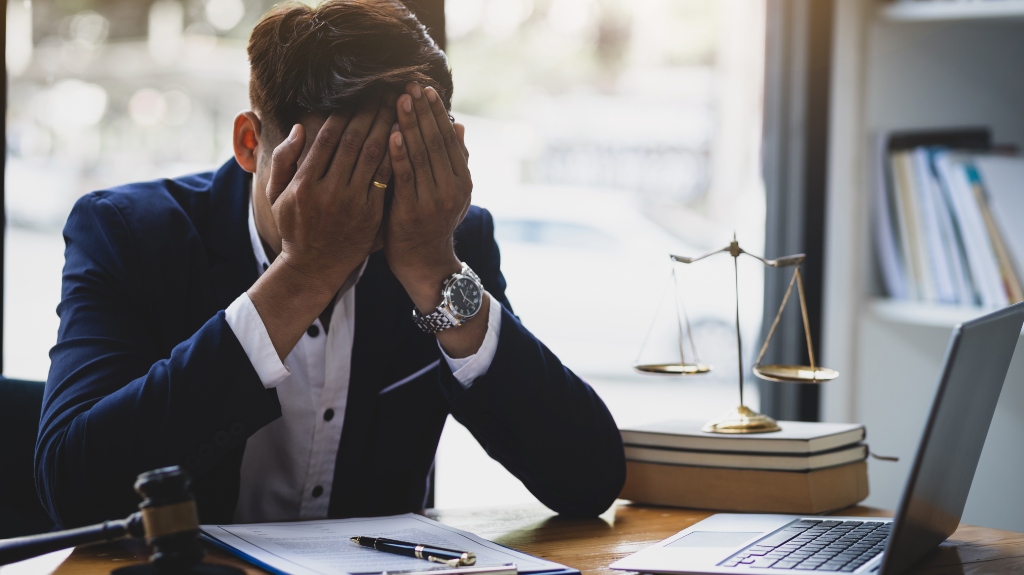
Financial trouble is rarely the result of one incident. Rather, it often builds slowly and quietly over time, including missed payments, maxed out credit cards, and overdue bills.
If your financial situation feels out of control and you’re struggling with debt, consulting an experienced bankruptcy attorney can bring relief. Understanding your options, South Carolina’s unique exemptions, and the road ahead can provide clarity.
Is Bankruptcy Right for You?
The U.S. Bankruptcy Court says personal bankruptcies in South Carolina rose by 12 percent in 2024, resulting in more than 4,500 individual bankruptcy cases filed per year. Bankruptcy was created as an opportunity to reset finances when debt becomes overwhelming. Here are some indications that you should consider taking advantage of it:
- When you can only afford minimum payments. Making minimum payments on credit cards, medical bills, or loans, your debt is likely growing faster than you can handle. Late fees and penalty interest accrue monthly, compounding the problem. Even years of on-time payments are unlikely to reduce the principal balance.
- When medical bills become unmanageable, it’s time to weigh your options for relief. Nearly two-thirds of older Americans who file for bankruptcy cite medical expenses as a contributing factor, according to the Consumer Bankruptcy Project. This debt can be discharged under Chapter 7 and Chapter 13 bankruptcy.
- When you drain your retirement savings to pay debts, it can cause more problems because you may be hit with a tax penalty for those withdrawals. Most credit card balances and medical bills can be discharged through bankruptcy, saving your retirement assets for when you need them. Retirement savings held in 401(k), IRAs, Roth, and other specific types of accounts are exempt from creditors’ demands, protecting them if you declare bankruptcy.
- When creditors are threatening lawsuits, garnishment, or foreclosure, these are serious warning signs that shouldn’t be ignored. If a creditor gets a court judgment against you, your wages and bank account can be vulnerable to forced repayment. Filing for bankruptcy triggers an automatic stay, which immediately prevents creditors from contacting you, filing new lawsuits, foreclosing on your property, repossessing collateral, or perfecting liens on your property. In South Carolina, the automatic stay can even recover wages garnished within 90 days of filing bankruptcy.
- When credit cards are your go-to for basic expenses. Using credit cards for grocery purchases or facing utility service disruptions for nonpayment of bills are critical warning signs. When basic needs become a financial struggle, bankruptcy may allow you to regroup and prioritize necessities.
- When debt collectors call constantly and your mail is full of demand notices, your debt has escalated to active collection. Once you retain a bankruptcy attorney, creditors must direct all collections and other communications to the attorney. After that point, any direct communications from creditors can be a violation of federal law.
- When your total debt exceeds what you could realistically repay, bankruptcy is worth considering. Chapter 7 works for individuals with limited income who need a path to debt elimination, while Chapter 13 allows time for others to repay certain debts or catch up on missed payments to avoid foreclosure or repossession. An attorney can help you decide which chapter best matches your income and assets.
What South Carolina Residents Should Know
Bankruptcy can bring immediate relief from the stress of overdue bills and collection agencies. South Carolina’s generous exemption laws allow most filers to keep their homes, vehicles, and retirement accounts. Consulting with Lam Law Firm can provide clarity regarding the bankruptcy chapter that best suits your situation. Call for a consultation before a lawsuit is filed or your wages garnished, preserving your options and allowing time for the most favorable outcome.